Category: Laginappe

  • Luke the Drifter

    I’ve found that one of the most difficult tasks of writing a book is deciding what to put on the cover. My mind isn’t particularly artsy. I want to put a title in black letters on a white background and call it a day. My wife reminds me that my ideas for book covers always look like textbooks. Nobody likes or wants to buy textbooks.

    In a flash of brilliance, I realized that my wife is an artist and, for me, she works for free. But even with her help, it’s hard to capture the essence of a book in a single picture. Indeed, you cannot judge a book by its cover.

    You can’t judge people by simply looking at the outside either.

    Many people we meet aren’t always what they appear to be. The guy you pass in Walmart wearing camo sweatpants and Crocs may (emphasis on may) be a genius. The loud, laughing guy in the crowd may be carrying a world of hurt. Mr. Calm may be on the verge of becoming Mr. Snap. The young girl everyone thinks is beautiful may hate herself because she doesn’t feel pretty.

    Sometimes people take on another identity, an alter ego, that reveals a different side of who they are. Samuel Langhorne Clemens did that when he became Mark Twain. As for me, if I ever decide to create an alter ego, I might go by the name “Pastor Portly” or “The Sweaty Theologian.”

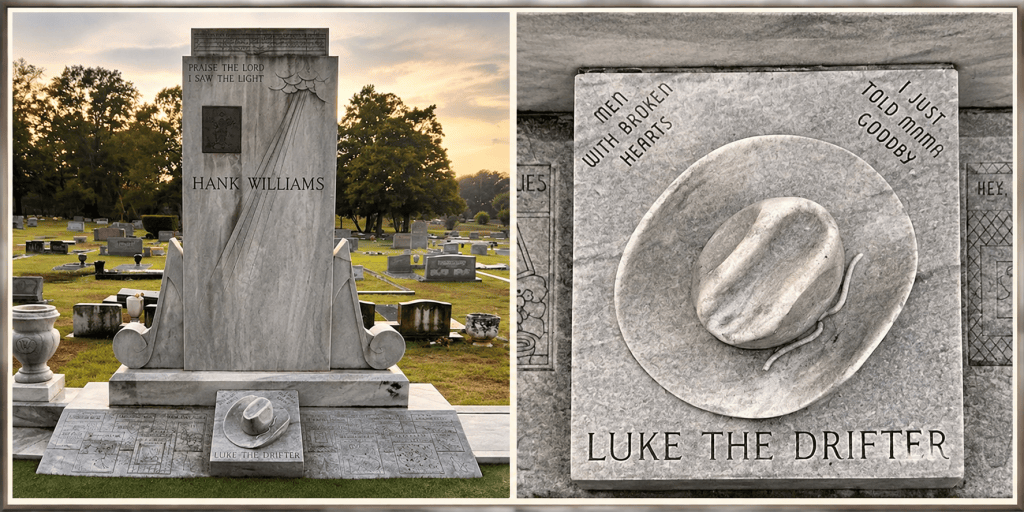
    One of the most fascinating examples of an alter ego was that of Hank Williams Sr. Williams’ career was like a huge, bright, exploding sky on the Fourth of July. His first commercial record was released in January 1947, when he was just 23 years old. His short career ended when he died at the age of 29 on New Year’s Day 1953. During that brief period, around 30 of his songs appeared on the country charts, and 11 reached number one, including records that became hits after his death. He sold millions of records during his lifetime. Since his death, thousands of recordings of his compositions have been made by other artists.

    He lived life at full speed. He struggled with alcohol, personal troubles, and physical pain. He was the poster boy for “live hard, live fast, and make a beautiful corpse.” He burned out way too young.

    But behind the public honky-tonk hero lived Luke the Drifter.

    Hank took on the alter ego of Luke the Drifter for several reasons. Part of it was a business decision. On a Saturday night in a loud honky-tonk, a lot of people want to feed the jukebox and hear Hank Williams songs. A recitation of “The Funeral” might dampen the mood. Hank’s producer felt it might be better to release the gospel songs under another name.

    But there may have been something more personal to it. The Luke the Drifter persona seems to have taken Hank back to a time when he wasn’t fighting so many demons. He was back at church as a child, surrounded by the old hymns of the faith.

    One of the most interesting things about these two sides of Hank was that they seemed to talk to one another. Hank would sing about the wild life and broken hearts. Luke would sing about mercy, compassion, and forgiveness. Luke seemed to understand Hank’s struggles.

    Luke was a different side of Hank. While people were feeding jukeboxes coins to hear “Your Cheatin’ Heart,” Luke was delivering stories and reflections about faith, human suffering, and the consequences of life’s choices. There was darkness and hope in the words of Luke the Drifter.

    In the recording “Men with Broken Hearts,” you get a glimpse of the hurt Hank himself may have understood all too well. The last verse reads:

    “Life sometimes can be so cruel that a heart will pray for death. God, why must these living dead know pain with every breath?”

    I’m no poet, nor the son of a poet, but that’s good stuff. Dark stuff.

    But alongside the darkness, there was hope. The story goes that while returning home from a trip with his mother, Hank was riding in the car when she noticed the lights of the airport. She told him they were getting close to home because she could see the lights. Those words reportedly stayed with Hank, and he turned that simple observation into one of his greatest songs, “I Saw the Light.”

    The song speaks of wandering through life, chasing the things of the world, and finally recognizing the need for something greater. It is a song about coming home, not just to a place, but to God.

    In one of Hank’s great Luke the Drifter recordings, “Help Me Understand,” he closes with a short prayer:

    “Take me and lead me, and hold to my hand. Oh, Heavenly Father, help me understand.”

    We’ve been there. Life comes at us. Hurt becomes a constant companion. Worry lies down with you every night and wakes up with you in the morning. Tomorrow is filled with anxiety because of some unexpected event. We don’t understand. We want answers. Somehow, we think if we had answers, things would be better.

    Knowing doesn’t always make things better.

    Christian faith isn’t believing only when we have all the answers. Faith doesn’t require all the details. Faith is trusting that God has all the answers, knows all the details, and is good. God is not surprised by the things that come our way. My friend and hero, an evangelist, used to say, “Did it ever occur to you that nothing ever occurred to God?” He knows your hurts and worries.

    Pray, as Luke the Drifter sang, “Heavenly Father, help me understand.” But trust Him even when you don’t.

    Signed,

    Reverend Goodenough

    Enjoyed the story? Subscribe to The Notebook and have new stories and devotions delivered straight to your inbox. I’d be glad to have you along.

  • Count Chocula and Mama

    I know everyone says it, but my mother is special. She is funny and every bit a lady, but she is also as tough as anyone I know. She is small, but you don’t want to cross her. She has been widowed twice and seen things that might break weaker women. Life has swung at her hard more than once, and she just keeps swinging back. I think all that she has been through has just made her determined not to let life beat her.

    Oddly enough, one of my first memories of my mother has to do with Count Chocula cereal. Count Chocula is a General Mills product that is made of cereal, marshmallows, and imitation chocolate. When it is mixed with milk, you basically start the day with cereal, chocolate milk, and lots of sugar. It had the same effect on kids as energy drinks have today. Get the kids wired, then send them off to some teacher who isn’t making nearly enough to put up with them. Now I understand why there was so much cigarette smoke in the teachers’ lounge.

    I was introduced to Count Chocula at a preschool/daycare called The Honey Pot. I’ve always thought that was an odd name for a childcare facility. Sounds more like something you’d find on Bourbon Street. My mother worked at The Honey Pot for several years when I was young. She was also a teacher’s aide in the public school system. Neither of these jobs would be considered places where you worked to get rich. She would get up before the sun came up, get dressed, get me dressed, and we would head out. Mama probably saw more sunrises than most fishermen. One of my earliest memories in life is sitting at short tables in small chairs while it was still dark outside, eating Count Chocula. In my little kid’s mind, I thought it was awesome. We didn’t eat Count Chocula at home. We stuck with the basic lower-cost Cornflakes, and occasionally Snap, Crackle, and Pop would join us at the table. Breakfast at home typically consisted of stuff that could be prepared in mass quantities to feed three boys. Pots of grits, scrambled eggs, and whop biscuits (the canned biscuits you would hit on the edge of the counter to open and make everyone in the kitchen jump) were staples. On cold mornings, I remember my dad making cinnamon sugar toast. It was white bread with pats of butter, and on top of this, there was a generous sprinkling of cinnamon and sugar. Then he’d put them in a gas broiler on the bottom of the stove. The broiler was nice because not only did it make the best toast ever, but it took the chill out of the air in the kitchen. I still make this sometimes for my girls; we call it “Pop toast” after my dad. So Count Chocula was a treat. It cost more than the grits and eggs and wouldn’t last as long. I felt special because I got to go eat Count Chocula before any of the other kids arrived at daycare. I was too young to understand ideas like sacrifice and hard work. I just knew my mama made me feel special.

    Now, as an adult, I realize that those Count Chocula mornings were never really about cereal. They were about love and sacrifice. My mother wasn’t there before everyone else because she was a morning person, or even because she knew I liked the cereal. She was there working at an underappreciated job, potty training kids, and wiping runny noses because our family needed it to make ends meet. My mother worked as an assistant teacher and at the daycare. My dad was a history teacher. Even today, schoolteachers in Mississippi rank at the bottom or near the bottom in pay. Apparently, the high-paying jobs go to essential people like insurance claim denial specialists. To put it mildly, our home was not flush with cash. Most months, the money ran out before the month did. Back then, you learned real quick the difference between wanting something and needing it. Three boys go through not only a lot of food but also have a lot of other expenses. We played almost every sport (except the communist ones like soccer). That was a time when parents still believed fresh air and dirt could cure most childhood problems. We were given piano and art lessons. We went on every church trip. In the summer, I remember driving down to Pensacola for the day and getting water blistered and driving home that afternoon. Some of my favorite memories were summer trips to Atlanta to see the Braves play. My dad usually tried to work it so that our trip would allow us to see the Cincinnati Reds play.  Johnny Bench was my guy.  We would go and watch not only the game but also get there early enough to watch the teams take batting practice and warm up. I loved it. My oldest brother, I think, liked it as well. My middle brother, who now lives in Atlanta, hated it. He wasn’t a baseball fan. It was torture for him.

    All these things I mentioned cost money. Money that we didn’t have for all these extras. So this takes us back to The Honey Pot. It’s still dark outside, and a chunky blonde-haired kid is filling himself with Count Chocula because there is a mother there who was willing to do whatever it took to see that her boys had all they needed and most of what they wanted. Nobody called it sacrifice then. It was just what mothers did.

    Yes, I think my mama is special.

    Enjoyed this story? Subscribe to The Notebook and receive new stories and reflections delivered right to your inbox.

  • The Crooked Post

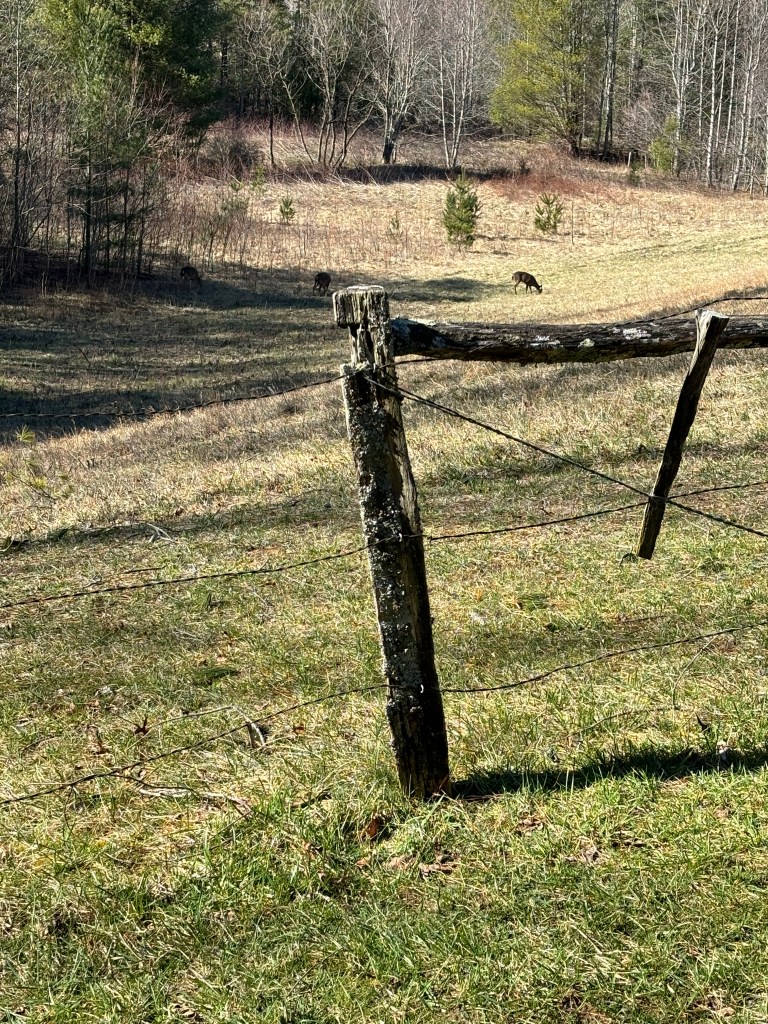
    One of the things that will stop traffic in Cades Cove quicker than a funeral procession in Alabama is when someone spots some wildlife. As you stop and look at bears, deer, or whatever else may wander up, it’s hard to take it all in. You have a beautiful creation in one of the most beautiful places on earth. But some folks…only notice that the fence is a little crooked.

    One thing I’ve learned in the banking business is that there are certain things…that just have to be absolutely correct. Title work and deeds really don’t function under the “that’s close enough” principle. Tattoo artists need to spell better than I do. Pregnancy test manufacturers need to be precise. The accuracy of a pregnancy test matters…don’t look for the ones on sale.

    As a kid, I was fascinated by a thing I saw at our local police department. It was a trailer that had what looked like a concrete barrel on it. I had to find out what it was. Someone told me it was used by the bomb squad to blow up bombs. Shock and awe are overused, but that sums up my feelings at the time. Someone got paid to blow up bombs…and I was a little excited that there was the possibility of bombs in my quiet little town. BTW, the official term for this device is an EOD…explosive ordnance disposal trailer. Sounds better than a bomb blower upper.

    Bomb squads, tattoo artists, and some bankers need to be precise. But you could also lump into that crew barbers and brake mechanics. A barber doesn’t get much room for error. Lop off half an eyebrow, and people will think you’re surprised for the next six weeks. A brake mechanic doesn’t get much room for creative interpretation. Your family, not to mention your life insurance agent, would prefer he get it right the first time.

    Some things just have to be right.

    But think with me a moment about some other things that don’t have to be perfect. For instance, the guy who sings the national anthem at the local dirt track can be given some grace for missing a note or twelve. The assistant principal at a local graduation who struggles with pronouncing the names of kids whose parents mispronounce their names. The lady at the local grocery store deli will still be appreciated if every biscuit doesn’t look the same. They still taste good with enough gravy.

    Sadly though, we tend to spot faults quicker than we do perfection in things that are well done. Take, for instance, an old wire fence. Someone dug and fussed and sweated and set hundreds of posts that will be in place until the rapture…but the one that is noticed is the one that is just a little bit crooked. We can ride for miles and not really even notice the fence until we see a flaw.

    We can do this with people as well. We are quick to pick up on some flaw or failure and ignore years of faithful living. Sometimes that one little flaw makes us look at them differently.

    We don’t just focus on the flaws in others; we can do the same thing when we look at ourselves. We see all the things that are broken, flawed, and lacking. We aren’t handsome enough, young enough, smart enough, or rich enough.

    One flaw causes us to overlook a lifetime of good.

    Don’t get me wrong, I’m not saying that we pretend that the things that are wrong are right. But we also need to look at the flaws in others, and in ourselves, with mercy, grace, and humility.

    In the Sermon on the Mount, Jesus spoke about looking at a brother who had a tiny splinter in his eye and telling him he should do something about it…while we have a huge beam of wood in our eye but don’t see a problem with it.

    The next time you’re out riding, look at those old fences. Some of the posts are crooked and bent, but they’re still doing what they were put there to do.

    God has been merciful to you. Extend mercy. God has shown you undeserved grace. Extend grace to others.

    Look beyond the crooked fence post.

  • Chiseled in Stone

    One of my favorite writers was Lewis Grizzard. What first caught my attention about Grizzard’s books were the titles. His titles MADE you reach for the book. A few of my favorites are Elvis Is Dead and I Don’t Feel So Good Myself and If Love Were Oil, I’d Be About a Quart Low. These catch your attention. You have to reach for them and see what they are about. My favorite, which needs no explanation, is Chili Dogs Always Bark at Night.

    Grizzard was an author, comedian, speaker, and newspaper man. He was raised in Moreland, Georgia, just south of Atlanta. Moreland is where you take that first deep breath because you realize you are no longer racing in the Peachtree 500. Many of Grizzard’s books grew out of articles he wrote while working at the Atlanta Journal-Constitution.

    While Grizzard is remembered for his writing, he would have been a national treasure simply for some of his sayings. This is a man who said, “Life is like a dog sled race. If you ain’t the lead dog, the scenery never changes.”

    Grizzard wrote openly about his marriages…and divorces. At one point, he said he wasn’t going to get married again. He was just going to find a woman he didn’t like and give her a house.

    Lewis Grizzard was a New York Times bestselling author, a newspaper columnist, a speaker, a comedian, a husband multiple times, and even an actor.

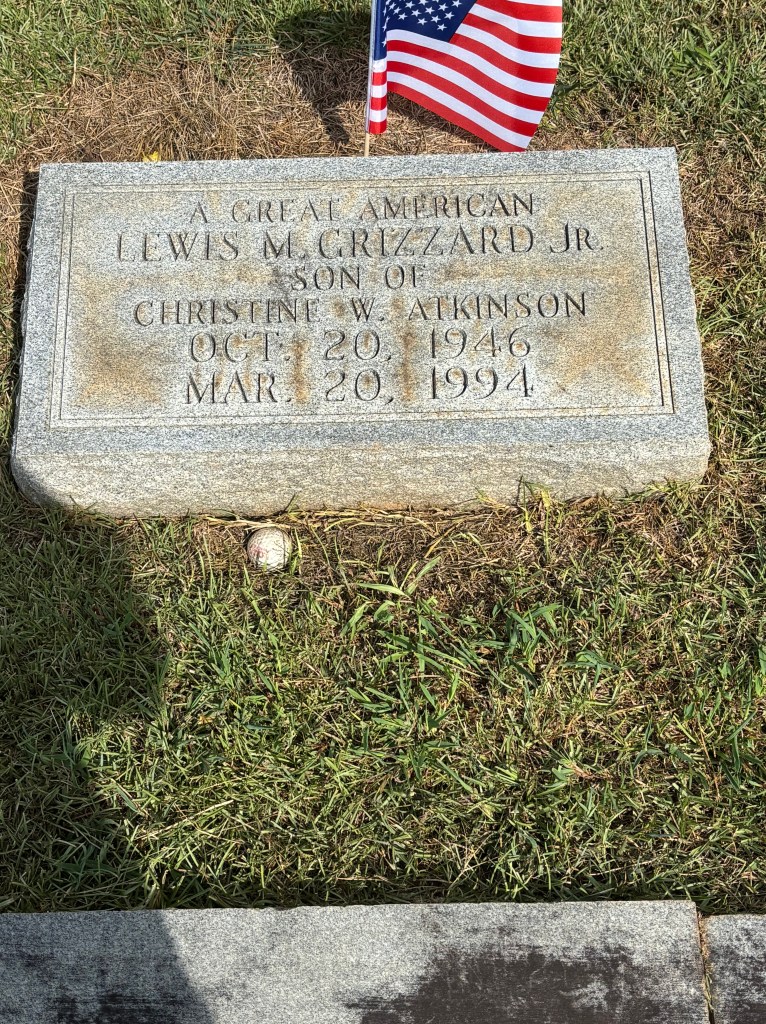
    Recently, while driving home from Atlanta, I pulled off the interstate to get gas and realized I was in Moreland, Georgia. I had to see what the town looked like. I found the Lewis Grizzard historical marker on Main Street. Next to the marker was the Lewis Grizzard museum, though it was closed. I then made my way to Southview Cemetery.

    Grizzard suffered from heart problems and died much too young, at the age of 47. After a quick search, I found the grave of “A Great American…Lewis M. Grizzard Jr.”

    I’ve seen headstones that said mother, father, son, and even our baby. But never “A Great American.”

    A fitting final, concise sentence for a great writer.

    As I drove home, I kept thinking about that headstone. Most of us will end up with one. In a moment of grief…hopefully there will be a little grief…someone will be tasked with writing something “nice” about us. What will they say?

    Evangelist Junior Hill, who always battled weight issues, said he wanted his tombstone to read, “Slim at last.” I’m thinking about using that myself.

    Mel Blanc, the voice of Bugs Bunny, had “That’s All Folks!” chiseled on his tombstone. Rodney Dangerfield’s marker simply says, “There goes the neighborhood.”

    What will yours say?

    Great American? Devoted husband or wife? Faithful follower of Christ?

    Earn those words. Live a life that makes it easy for the poor sap who has to come up with something that everyone…forever…will see.

    Don’t make him have to lie.

  • It’s Time to Buy Bread

    Living on the Gulf Coast, we know the routine when a hurricane (or, as some people say, harricane) heads our way. We’ve been down this road before. It’s funny, but Coast folks date things by hurricanes. “We got the Chevy right after Katrina.” Unfortunately, we got a lot of things after Katrina. Or, “We moved into our house around Elena.” It’s just a Coast thing.

    I’m sure this takes place in other parts of the country as well. There is some old guy (he would have to be old) in Atlanta who has said, “Yeah, we got married just before they started working on the Interstate.” Someone, somewhere, is going on about how they met their wife in the Shoney’s, before it became a Chinese restaurant.

    One of the first things you learn about hurricanes is that you can’t control them. (Conspiracy theorists, move on.) Experts, and now AI, have gotten real good at figuring out where they are going and how strong they might be. We know that dust coming up from the desert in Africa is our friend. We pray for dry air. We check temperatures in the Gulf. We think we understand wind shear. But with all that knowledge, we still can’t change them.

    Coasties know the routine. Secure things in the yard. I think this might have been the first time I took down a Fall flag. Get gas. Check your hurricane box. I keep one with flashlights, chargers, extension cords, and a roll of duct tape. Cause you never know when you will need to tape something.

    We hit the grocery store, too. I get a little out of control. There is something about hurricanes that makes me want to get way too many cans of things we can warm up on the gas stove. He may not have ever received a James Beard Award, but Chef Boyardee was no slouch.

    We empty the water, bread, and milk sections of the grocery store. And then we wait…eat…wait…and eat.

    The funny thing is, after all the preparation, there comes a point when there is nothing left to do. The yard is picked up. The gas cans are full. The phones are charged. The hurricane box is sitting where you can find it. You have enough canned food to feed your family for three weeks, even though you know good and well you are going to eat it all before Tuesday.

    Then you sit and watch the weather.

    You watch the little line on the map. Did it shift??!!! You watch the spaghetti models. You watch the wind speed. You watch the cone. You watch the storm wobble a little to the east and feel a little better. Then it wobbles back west and you start watching again.

    Eventually, though, you realize there is nothing else you can do.

    After you have done all that you can do…you trust.

    Psalm 46:1 says, “God is our refuge and strength, a helper who is always found in times of trouble.”

    I like that. It doesn’t say God will keep trouble from coming. It says He will be our refuge when it does.

    If you think about it, life and hurricanes are a lot alike. There are things that will come your way that you have no control over. You couldn’t stop them if you tried. Life happens. Storms happen. Bad news comes. Plans change. People disappoint us. Doors close. Sometimes the forecast changes overnight.

    We spend a lot of time trying to control things that were never ours to control in the first place.

    That doesn’t mean we sit around and do nothing. We prepare. We make wise decisions. We do what we can. We help our neighbors. We take care of what God has placed in our hands.

    But eventually, we have to leave the rest with Him.

    The hurricane may pass east of us. It may turn. It may weaken. It may strengthen. We can watch the forecast, but we cannot steer the storm.

    And life is the same way.

    We prepare the best we can and then we trust the One who knows the whole forecast.

    God was with us before the storm. He is with us in the storm. And He will be with us after the storm.

    So buy your bread. Fill up the gas cans. Bring in the chairs. Charge your phone.

    And when you’ve done all you can do, trust God.

    He’s still in control.

  • It Isn’t Fancy, But It’s Good

    This will come as a shock to you, but there are some foods that people eat…that they won’t admit to eating.

    For instance, Vienna sausages. I love these little mini salt bombs. People turn up their noses in disgust or make gagging sounds when I mention them. The first canned Vienna sausages were produced in America around 1900. They have been on shelves and in lunch boxes for more than a century…someone has been eating them.

    Sardines, in mustard or hot sauce, with crackers make me happy. My wife prefers that I eat them outdoors. I’m happy to oblige. I can hear you now: “They smell…they have bones in them.”

    Listen to my complete defense…they taste good…poor reputation and all.

    In my family, pork n’ beans were a staple. I volunteered to open the cans so I could steal the little chunk of pork floating in the sauce. To me, it was better than finding the prize in the Cracker Jack box.

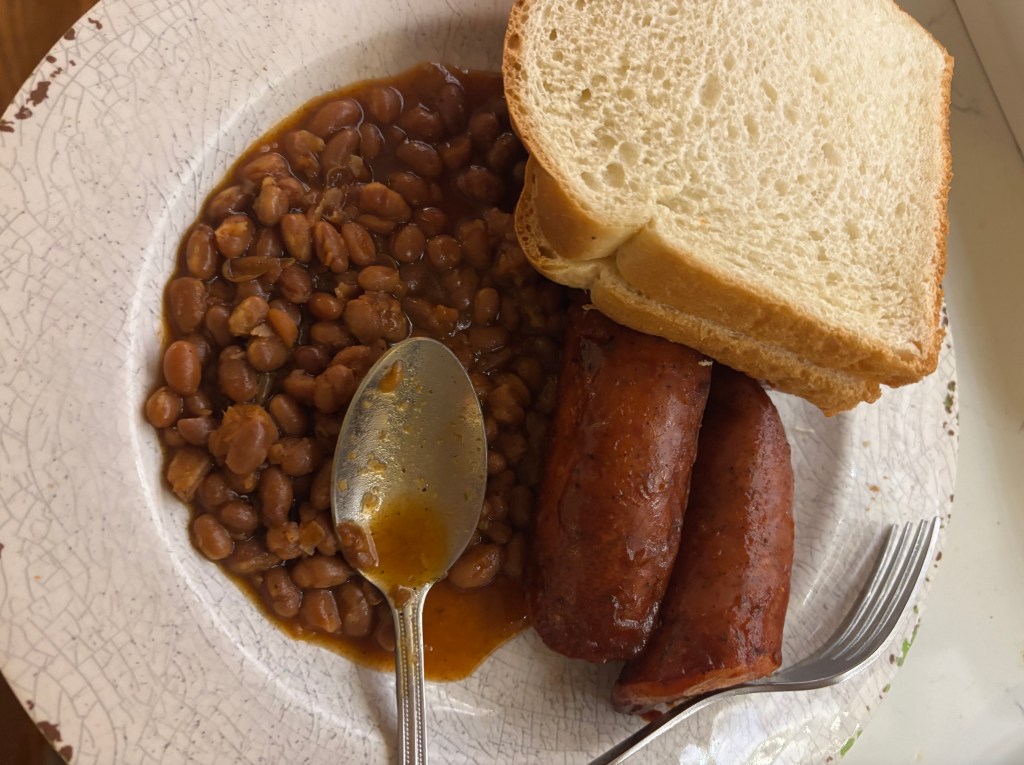
    One of my favorite meals, a meal that I would be satisfied with at Thanksgiving, on death row, or mourning the loss of a loved one, is a plate of pork n’ beans as a side…and a main entrée of link sausage with mustard on white bread.

    Still, highbrowed folks look down on the amazing little pork n’ beans.

    Many people look down on McDonald’s.

    “We…don’t ever eat there.”

    “It’s not real food.”

    That’s fine, Mrs. Astor. About seventy million people eat at McDonald’s every day. Somebody likes it.

    And just a heads up, I’ll cut you over a McRib. I know it’s not rib meat…but it’s heaven on a bun.

    Lots of food is looked down on. I’ll add to my list of likes: SPAM, frozen Salisbury steaks in TV dinners, canned chili, canned tamales, whop biscuits, and Jell-O of any kind.

    Now, it’s okay for people to look down on these things. Some people aren’t as refined as I am. I can accept that.

    But it’s funny how we can decide some things are “beneath” us. We are too good to wear certain brands, drive certain cars, and eat in certain places.

    If we aren’t careful, we can also decide that certain people are beneath us.

    James 2:4 reads, “Have you not made distinctions among yourselves and become judges with evil thoughts?”

    We are quick to make decisions about people and judge others before we have all the details. They may not look like we do…they may not dress as we do…they may not have the things we have.

    But we usually don’t know their story.

    All we can see is the outside…we can’t see their heart…only God can.

    We are created in the image of God. Genesis 1:27 says, “So God created man in his own image; he created him in the image of God; he created them male and female.”

    Did you catch that?

    We are created in the image of God.

    The person we shy away from, dismiss, or quietly decide we are better than…bears the image of God.

    You like tofu…I like potted meat.

    We are different. That’s okay. We don’t have to like the same things. Give me some grace for my uncouth ways.

    But let’s remember to extend grace to those around us. They are created by God, and they have a story.

    Because you are loved…extend love.

  • Getting Used to Good Things

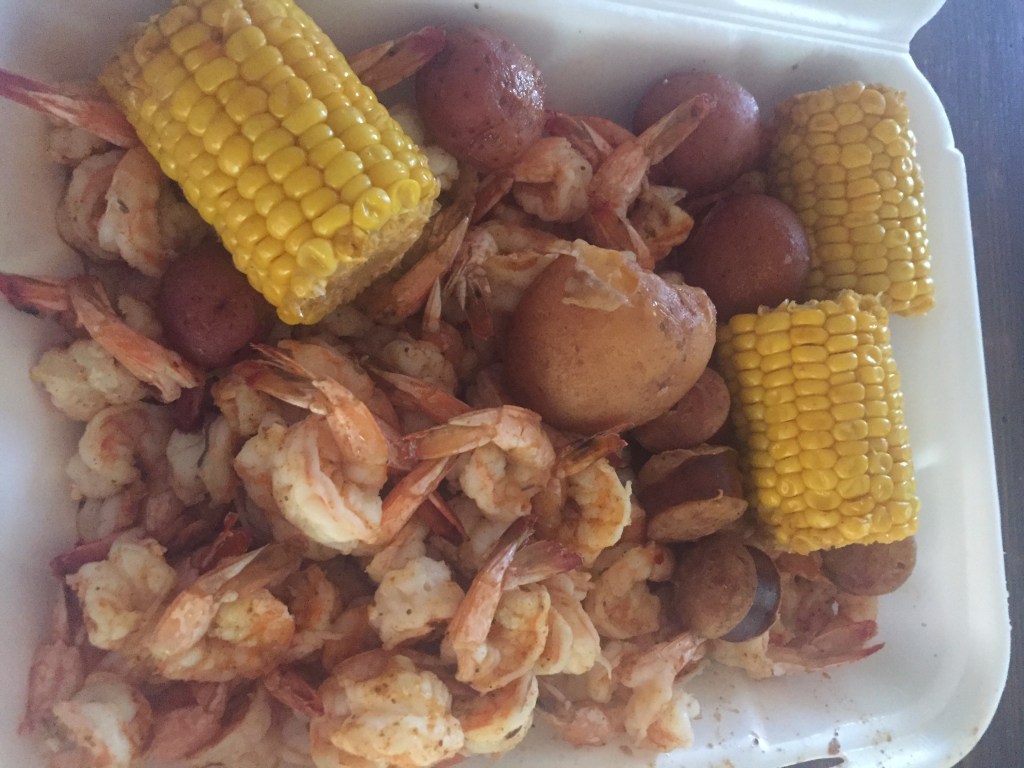
    Living on the Coast, we take things for granted. We have an abundance of places to get good…fresh…seafood. We can pay someone to prepare it, or we can go down to the dock and get it right off the boat. Be wary of someone selling shrimp out of a van in Kansas.

    We can also go down to the river and watch the boats come in and go out. And…if you watch closely enough, you might be able to find a dolphin breaking the water in the wake of a shrimp boat. You just don’t have that everywhere.

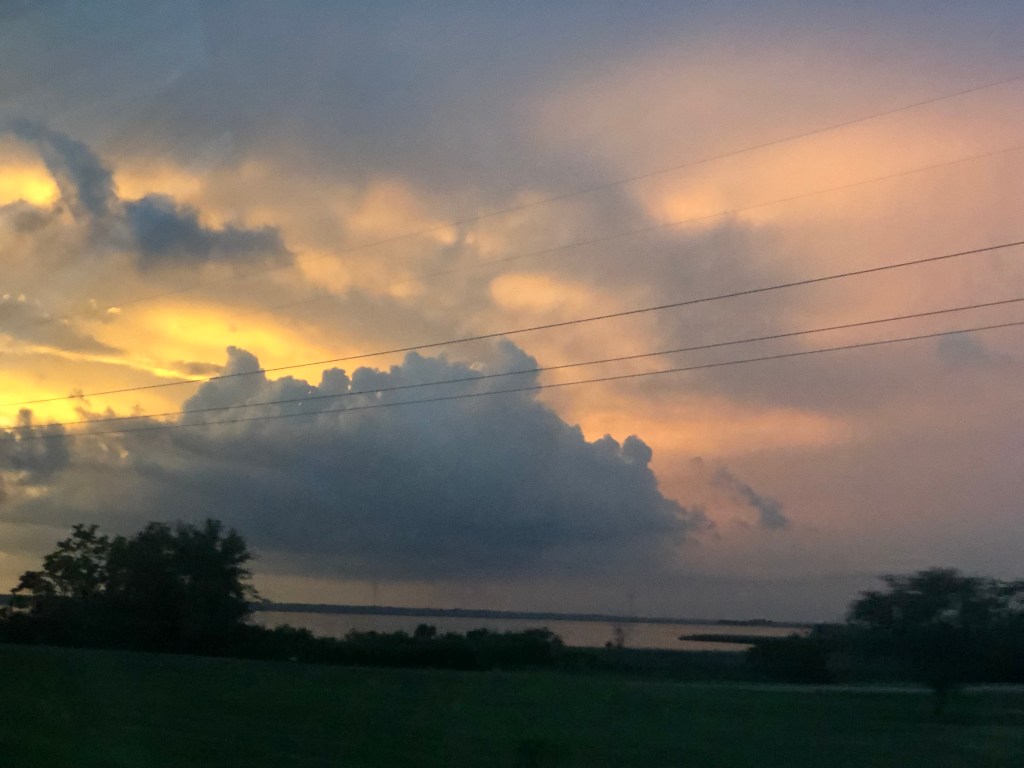
    One of the things I’ve done all my life is ride down to the beach and look at the Gulf. There is nothing like cruising the beach. My parents did this with us when I was a kid…my wife and I did it when our girls were small…and now my oldest daughter does it with her sister in the passenger seat. Growing up by the water and seeing the amazing sunsets is just a part of life on the Coast.

    These things…because we experience them over and over…can become common to us.

    A real, honest-to-goodness shrimp po-boy can easily become nothing more than something to fight off hunger pangs. But if you live in a place where shrimp comes breaded in boxes at the grocery store next to the frozen fish sticks…you wouldn’t take a po-boy for granted. If the only dolphin you have seen was on television or in a tank…you haven’t truly seen the beauty of one of God’s most graceful creatures breaking through the water to draw in air.

    If all you have ever seen is concrete and hard landscapes, a Gulf Coast sunset might change you forever.

    We can do things and see things so often that we fail to appreciate them. Take, for instance, the song “Amazing Grace.” Most people I know, churched or unchurched, can sing at least a little bit of “Amazing Grace.”

    If we are not careful, though, we can sing along with the music and miss what we are singing. It was God’s amazing grace that saved a wretched sinner like me. It is God’s amazing grace that not only saved me…but that will usher me into heaven one day. God’s grace is amazing. Let’s not take it for granted.

    Every morning I try to tell my wife, “I love you.” My girls won’t go to bed, even though they are both teenagers, without telling me goodnight and “I love you.”

    Repetition can steal sincerity from our words. “I love you” can become just something we say…no different from “Talk to you later” or “Have a good day.”

    Hopefully, you have people in your life to whom you routinely say, “I love you.” The next time you do this…mean it. Don’t just mouth the words.

    We treat the word love too casually. I love Moon Pies. I love hot dogs. I love Jell-O with “stuff” in it. But I don’t “love” these things like I love my wife and daughters.

    So let’s appreciate the blessings of life that are at risk of becoming common. Sing songs of the faith…but mean what you are singing. Tell people you love them often…but earnestly. See God in the everyday things like a sunset or a good shrimp po-boy.

  • The Place I Call Home

    When I tell people I’m from Mississippi, many of them are quick to tell me about all the bad things associated with my home. Yes, we have our problems. Like many other places, we still struggle with race issues. In many economic studies, it’s easier to find out how we rank if you start from the bottom and work your way up. Our state bird, in my mind, should really be the mosquito. And we have a hot season that runs generally from early spring until just before Thanksgiving. People point out that parts of the state have run-down areas; these are rearranged every few years by tornadoes and hurricanes. So, yes, we do have some problems. But I’ve found that most of those folks who point out all the problems in Mississippi…have never lived in Mississippi. They have never called it home.

    Having lived all my life on the Mississippi Gulf Coast, I want to brag a little…or a lot…about the place I call home.

    Every so often, there are studies published that focus on charitable giving as a share of income. Mississippi has a long history of ranking among the nation’s most charitable states when giving is measured as a share of income. That’s pretty impressive for a state that so many people look down on because of our economy. Take that, Wall Street.

    Let’s think about that for a minute. Mississippi historically ranks at the bottom or near the bottom in average household income. Giving someone $100 when your paycheck is big is much easier than giving away money when you are trying to keep the lights on and food on the table. But we do it anyway.

    Mississippi generosity isn’t just tied to cash. Giving sometimes comes as a casserole, cutting a neighbor’s yard, having a fish fry to help someone who is sick and needs a hand, or simply stopping on the side of the road and helping someone whose car is in revolt…because someone helped you when you needed it.

    This is the place I call home.

    Part of this charitable mindset comes because in most places in the state, you can’t swing a pair of white shrimp boots without hitting a church. The church taught us to give, because we had been given much. The church allowed us to see what generosity looked like when people were hurting. In some places, you can’t look up without seeing a Starbucks. In Mississippi, we have more churches than Starbucks, McDonald’s, and Dollar General combined.

    This is the place I call home.

    Mississippi is also packed full of culture. I used to have a Mississippi T-shirt that said, “Yes, we can read. A few of us can write.” It then listed Mississippians such as William Faulkner, Eudora Welty, Tennessee Williams, John Grisham, Willie Morris, Shelby Foote, and Walker Percy.

    Yeah, I think they might have known their way around a sentence.

    Mississippi has produced more than its share of great writers. The same holds true for music. Musicians such as Elvis, Jimmy Buffett, Jimmie Rodgers, B.B. King, Robert Johnson, Muddy Waters, Faith Hill, and even Britney Spears have called Mississippi home. Add to this long list people like Jerry Clower, Medgar Evers, Morgan Freeman, and Jim Henson.

    This is the place I call home.

    And there is more…

    Mississippi has also given the world Barq’s Root Beer, Pine-Sol, the soft toilet seat, and the first bottled Coca-Cola. Mississippi is also where the teddy bear story began, after President Theodore Roosevelt famously refused to shoot a bear during a 1902 hunting trip in the Mississippi Delta. And Mississippi’s Dr. James Hardy performed the first human lung transplant and the world’s first cardiac transplant using a chimpanzee heart.

    Somewhere today, someone will devour a plate of hot, crisp catfish…and there is a good chance it came from Mississippi, and they don’t even know it. We supply so much of the nation’s chicken that I feel like it should replace the mockingbird as the state bird.

    To the rest of the world, “You are welcome.”

    This is the place I call home and the place I love.

    I was recently talking to my brother, who traveled for much of his career. He said that he has been all over and he hasn’t really found anything in other places that he misses. He said a Wendy’s in Ohio tastes about like a Wendy’s in Mississippi.

    I love this place.

    I love the smell of the Gulf. The Gulf is part of my internal compass. No matter where I am in the state or when I’m out of state…I know where the water is. I know that’s where home is.

    That’s where you find oysters, shrimp po-boys, and some of the most beautiful sunsets God ever painted. That’s where some of the most generous folks in the country live. That’s where I enjoy good food, good books, and wonderful people surrounded by moss-draped live oak trees. That’s where I worship. That’s where people I love are buried, and I will probably be buried one day. That’s where my girls were born. That’s where I met my favorite person in the world and coerced her into marrying me.

    I’ve traveled enough to know there are beautiful places all over this country. There are places with better weather, better roads, better economies, and probably fewer mosquitoes. But when I’m away from Mississippi, some part of me is always looking for the water. I don’t have to see it. I just need to know which way it is.

    That’s the place I call home.

    And if you enjoyed this little trip around the place I call home, I hope you’ll come back and spend some time with me here at The Notebook. I’ll be sharing more stories, devotions, and quotes from time to time. If you’d like to have them sent your way, consider subscribing to The Notebook.

    I’d be glad to have you along.
  • Name Calling

    Kids, as well as adults, can be brutal when it comes to name calling. Early in life, one that came my way was simply “punk.”

    Now, sometimes someone can act like a punk. Squealing on a buddy would get you called a punk. Reminding the teacher that she forgot to assign homework would get you labeled as a punk and might require you to fight your way home. But most of the time, kids were called punks simply because they were the tag-along younger brother. If that’s the case, I was a punk growing up, and I guess I’m still a punk.

    Growing up in the ’70s, people were called turkeys. Turkeys were just goofy, foolish kids. We all knew people who were dumb-dumbs, goobers, crybabies, know-it-alls, and show-offs. There were also a lot of other names that aren’t fit to print.

    If we think back real hard, there were probably times when we could have worn most of these names. Yes, I’ve been a dumb-dumb and a goober. Still am at times. Was I ever a crybaby? My mother used to drop me off every morning at daycare, and I would stand at the fence and cry every morning. How could she love me…and just leave me?

    I’ve gone by Trub. This was the name my dad called me up until the day he died. In case you were wondering, it’s short for trouble.

    Trouble?

    I claim that I was misunderstood. I don’t think Trub was meant as an insult. I think it just shows that my dad had insight and wisdom. He knew when I was up to something. What some people might call mischievous, I simply referred to as testing my boundaries. When I crossed the line, he was always there to “lovingly” correct me. We were deep-water Baptists, but on more than one occasion he “laid hands on me” and spoke in a tongue I couldn’t make out. So the name Trub stuck.

    In addition to being called a son, I was also a brother. The youngest. The baby.

    I always thought I was the favorite child…because my mother told me that. But one night, I heard her telling my other brother that he was the favorite. She was just trying to make him feel better. I knew the truth.

    Having brothers, you learn things. You learn what to do, what not to do, and how to do things you shouldn’t do and get away with it. I learned from my oldest brother that after getting worn out by my dad and being asked if he was going to do whatever the offense was again, the proper answer is not, “Yes, if I get a chance.” It’s better to learn from other people’s mistakes than your own.

    Later in life, I took to being called a husband. This is a title I never thought I would own and, for many years, one I never wanted. But at 33 years old, just like the Lord at 33, I laid down my life.

    Husband is the sterile name.

    When I’m being a punk or a know-it-all, my bride refers to me as “Sweetie.” This sounds nicer than it’s intended. It’s just a word she can use rather than calling me what she really wants to call me. It requires less confession than the ones floating around in her mind.

    One of the greatest names I’ve ever been called is Dad.

    There are few things in life that are better than hearing my girls call me Dad. There isn’t much I wouldn’t do for my girls. There are things I’ve wanted to do but haven’t been able to do. But I’ve tried…and tried. Sometimes it’s just good to know that somebody needs you.

    What may surprise many people is how often the Bible tells us what someone was called. For instance, in James 2:23, Abraham is called a friend of God. In Acts 4:36, Joseph is called Barnabas, “The Son of Encouragement,” by the apostles. In Acts 11:26, the followers of Jesus were first called Christians. In John 1:42, Jesus tells Simon that he will be called Cephas, or Peter, which means rock.

    Think back to some of the name calling you have endured. Think now about some of the names you are called by. Now, think about what you are called by the Lord. Are you His child? Are you called a member of His family?

    Those are names worth keeping.

    Don’t try to earn those titles. Just accept them from Him.

    Thank you for reading. To find other devotions and stories like this go to www.scottsullivanwrites.com

  • McLellan’s

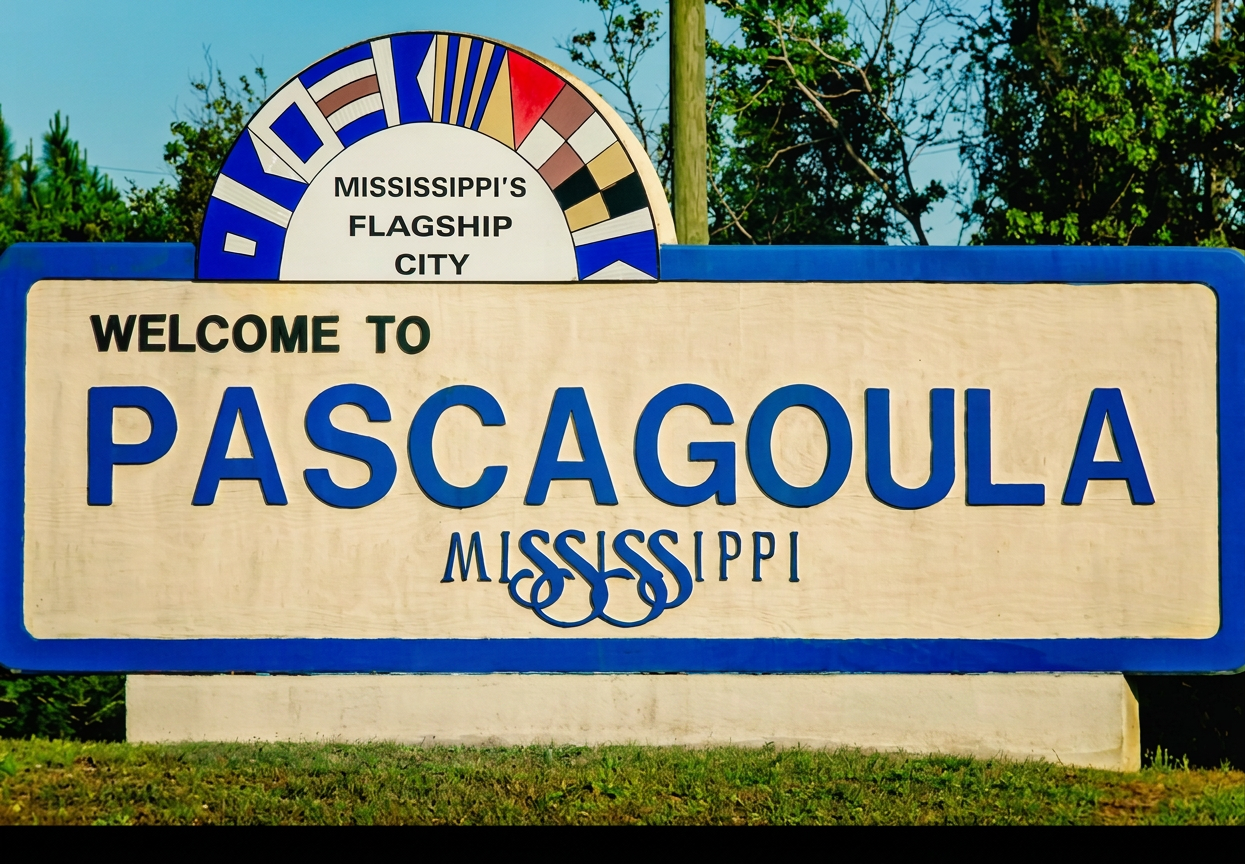
              I think one of the signs of growing older is that we spend more time thinking about the “Good Old Days.”  I have lived all my life in Pascagoula, Mississippi. Pascagoula is known for shipbuilding, aliens, and as the birthplace of Jimmy Buffett. To me, it’s just home, and it dictates the pace at which life should be lived. I love going to the mountains and hanging out at the beach with my little family…operating on “beach time.”  But I also love fast-paced places like Chicago and New York City. I love seeing different cultures, meeting different people, and trying new things. But there is nothing like home. One of the joys of every extended trip I’ve been on is seeing the first road sign that says, “Pascagoula.” I can relax; I’m back where I’m supposed to be.

              Pascagoula is like many small towns. The new businesses decided to move out on the highway, and downtown became the hiding place of lawyers and city offices. Thankfully, this is changing. We actually have places to go without leaving the old part of town…or as I call it “The good part of town.”  As a child, downtown was where you got your blue jeans for school, toys, medicine, and books from the library. The first sign that summer was drawing to a close was when my mother would take me and my two brothers downtown to get jeans and shirts for the new school year. I liked the clothes, but I hated the reasoning behind the trip. I was a chubby kid. Some marketing genius labeled us as “husky.”  I would rather just be called chubby. My mother could find pants that fit me in the waist, or she could find pants that fit me in length…but she could never find a pair that fit both. We would leave my pants to be hemmed. When I got them back, they had to cut half the leg off to make them the right length. I had bell-bottoms when they were popular and a long time after they were popular.

              One of the businesses downtown was the only place you could get Boy Scout/Cub Scout uniforms. I wasn’t really interested in joining either of these groups, but I did like the uniforms. The uniforms consisted of a shirt, shorts, a hat, a belt, and a neckerchief slide. I’d had shirts and pants and belts…but I had never been privy to a neckerchief slide. I decided that I needed one, even if it forced me to enlist. I remember the day my mother took me to the store, and I was issued the official Cub Scout gear. She actually bought it, but it sounds better to say it was issued. Fate was on my side. Something happened, and our troop never formed.  But I had my uniform and slide. Life was good.

              My favorite place downtown was McLellan’s. It was the classic five-and-dime store. When I walked in, it was like I was entering another world. It had old wooden floors that squeaked when you walked. The original shine had long since been walked off, but it was replaced by a shine from the smoothness of the boards. Like many people, my dad got paid on Fridays, and we were allowed to walk downtown and get a toy. Did you catch what I said there, “We were allowed to walk downtown…” I remember going all over town, going to the library, going fishing at the river without any fear. I don’t know what’s changed. I have some theories…coming to a sermon near you. My favorite purchase at McLellan’s was Matchbox cars. A boy could never have too many cars to play with. I remember one time my parents got me a racetrack for my Matchbox cars for Christmas, and they also got me a toy truck that looked like the kind that delivered new cars to the car lot. We had Christmas at my grandparents in the “country,” and I remember thinking how cool it would be if these new cars got into a fiery crash. I promptly stuffed plastic Army men inside the cars and ramped them off into the fireplace. A child today who did that might be sent to counseling. My dad thought that was unnecessary and had other ways of helping me through this troubled period of my life. It’s not something I’m proud of, but you have really crossed a line when you get a spanking on Christmas morning.

              The greatest thing about McLellan’s, though, was the smell. It smelled of polished wood and popcorn. Popcorn in little paper bags that got wet from shaking it into your mouth. You didn’t have time to use your fingers; they were busy checking out the latest thing you “needed” from the toy aisle. Popcorn in paper bags and at the theatre always tastes better than the same popcorn at home. I think it tasted so good at McLellan’s because we were just excited to be there. We would also walk downtown, drag home boxes, and make forts and spaceships out of them. That still happens today.  It just looks different. Kids aren’t dumpster diving behind the local five-and-dime. No, their parents spend months picking out the perfect gift and pay more than they should, only to have the child play with the box it came in.

              But I’m sitting here thinking about the smell and salty taste of that McLellan’s popcorn. It makes me think about parents who did whatever they needed to do in order for three boys to have clothes that were as nice as everyone else (even if the label said Husky) and spending money on toys that weren’t needed, but couldn’t be passed up because of the joy they brought to a little boy’s eyes…just before he set them on fire. Life in Pascagoula is good…but it was really good when McLellan’s was around.